

Local Cataract Care: How Van Alstyne Eye Care Co-Manages Your Surgery

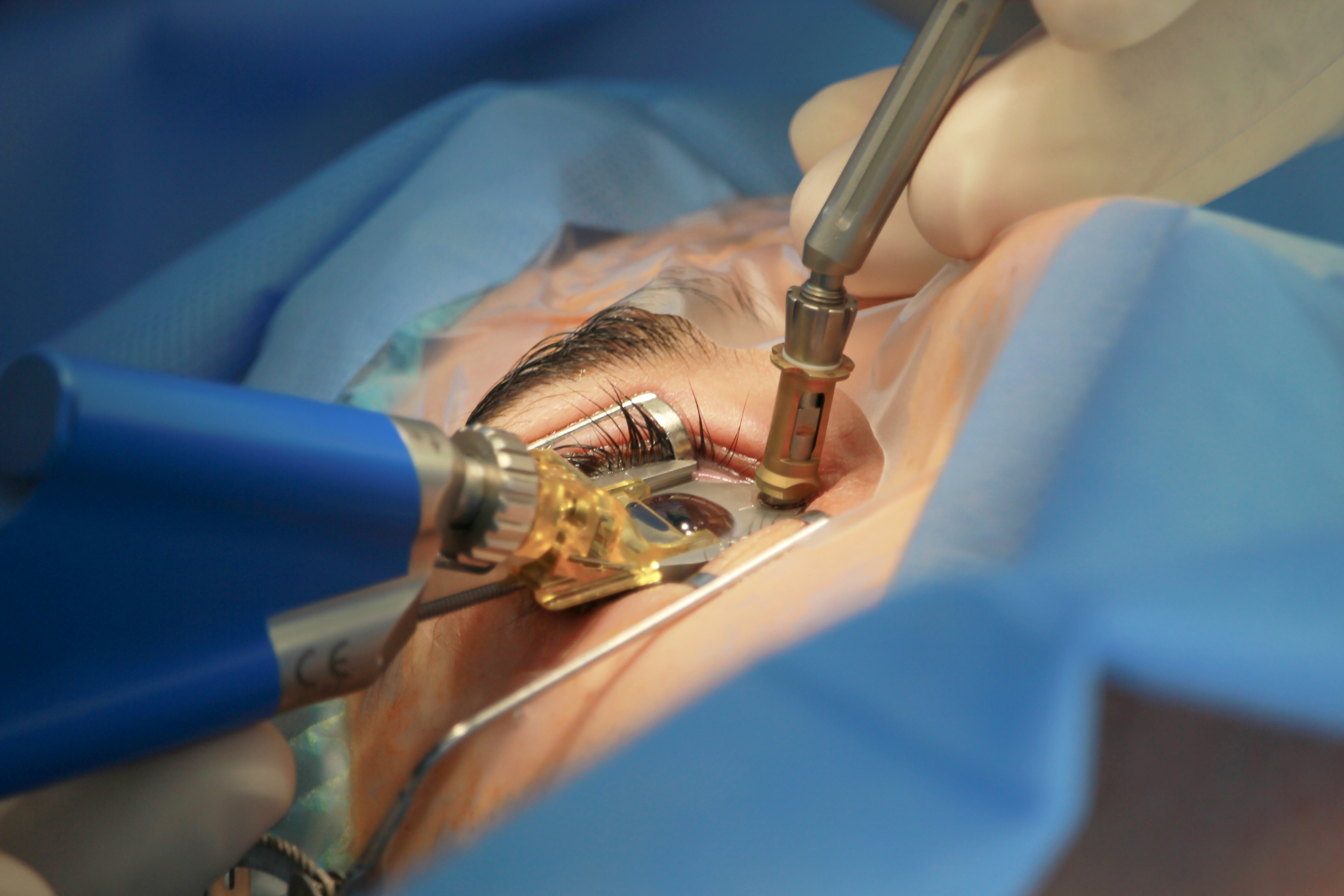
Cataract surgery may be performed by an ophthalmic surgeon, but your care does not begin and end at the surgical center. From determining when surgery may be appropriate to monitoring your eyes afterward, cataract co-management creates a coordinated path through the entire process.
At Van Alstyne Eye Care, we provide local cataract surgery co-management for patients who want convenient preoperative and postoperative care close to home. By working with your cataract surgeon, we help keep communication organized while monitoring your vision and eye health throughout your surgical journey.
What Is Cataract Surgery Co-Management?
Cataract co-management means your optometrist and cataract surgeon work together while handling different parts of your care. The ophthalmologist performs the surgery, while our Van Alstyne eye doctors can provide appropriate evaluations before the procedure and follow-up visits afterward.
This approach allows you to receive much of your ongoing care from a local team familiar with your eye health history.
Your co-management process may include:
- A detailed eye health and vision evaluation before surgery
- Discussion of cataract symptoms and how they affect daily activities
- Communication of important findings to your cataract surgeon
- Coordination of your surgical referral
- Postoperative visits at our Van Alstyne office
- Monitoring vision and healing after surgery
- Updating your eyeglass prescription when appropriate
Every patient's needs are different, so the exact schedule and responsibilities may vary depending on the surgeon and your individual treatment plan.
Step 1: Evaluating Your Cataracts Before Surgery
Cataracts develop when the natural lens inside the eye becomes cloudy. Early cataracts may cause only mild changes, while more advanced cataracts can lead to blurred vision, glare, faded colors, halos around lights, and increasing difficulty driving at night.
Before recommending surgery, we evaluate how much your cataracts are affecting both your eyesight and everyday activities.
A comprehensive eye exam also helps us identify other conditions that could influence your surgical plan or expected visual outcome. This may include evaluating the retina, optic nerve, eye pressure, prescription, and overall eye health.
Step 2: Coordinating With the Cataract Surgeon
When cataract surgery becomes the appropriate next step, we can coordinate with the ophthalmologist who will perform the procedure.
The surgeon completes specialized measurements and determines the surgical approach and intraocular lens, or IOL, options that may be appropriate for your eyes. Your surgeon will also explain the procedure, potential risks, expected benefits, medication instructions, and preparation for surgery day.
Our role is to help make sure relevant information from your local eye care is communicated and that you understand how your care will continue afterward.
Step 3: Returning to Van Alstyne for Follow-Up Care
Recovery does not stop when you leave the surgical center. Postoperative appointments allow us to check how your eyes are healing and whether your vision is progressing as expected.
During these visits, we may evaluate visual acuity, eye pressure, inflammation, comfort, and the overall condition of the eye. We can also answer questions about temporary symptoms such as mild irritation, dryness, or visual fluctuations.
If something requires additional attention from your surgeon, coordinated co-management allows us to communicate those findings promptly.
Step 4: Updating Your Vision After Healing
Once your eyes have healed and your vision has stabilized, your prescription needs may change. Some patients require little distance correction after cataract surgery, while others may still benefit from glasses for certain activities or reading.
Van Alstyne Eye Care can reassess your prescription and help determine what eyewear, if any, provides the clearest and most comfortable vision after recovery.
Cataract surgery also does not eliminate the need for routine eye exams. Continued monitoring remains important for detecting glaucoma, macular degeneration, retinal disease, dry eye, and other conditions that can develop independently of cataracts.
If cataracts are beginning to interfere with driving, reading, or everyday activities, schedule a cataract evaluation with Van Alstyne Eye Care at 1284 W Van Alstyne Pkwy., Van Alstyne, TX 75495, or call (903) 482-0090 to learn how local surgical co-management can support you from your first evaluation through recovery.


Monday - Thursday
8:00 AM to 5:00 PM
*Break from 12:00 PM - 1:00 PM for lunch
Friday - Sunday
Closed
© 2026 Van Alstyne Eye Care - All Rights Reserved - Accessibility Statement - Privacy Policy - Sitemap
Powered by 